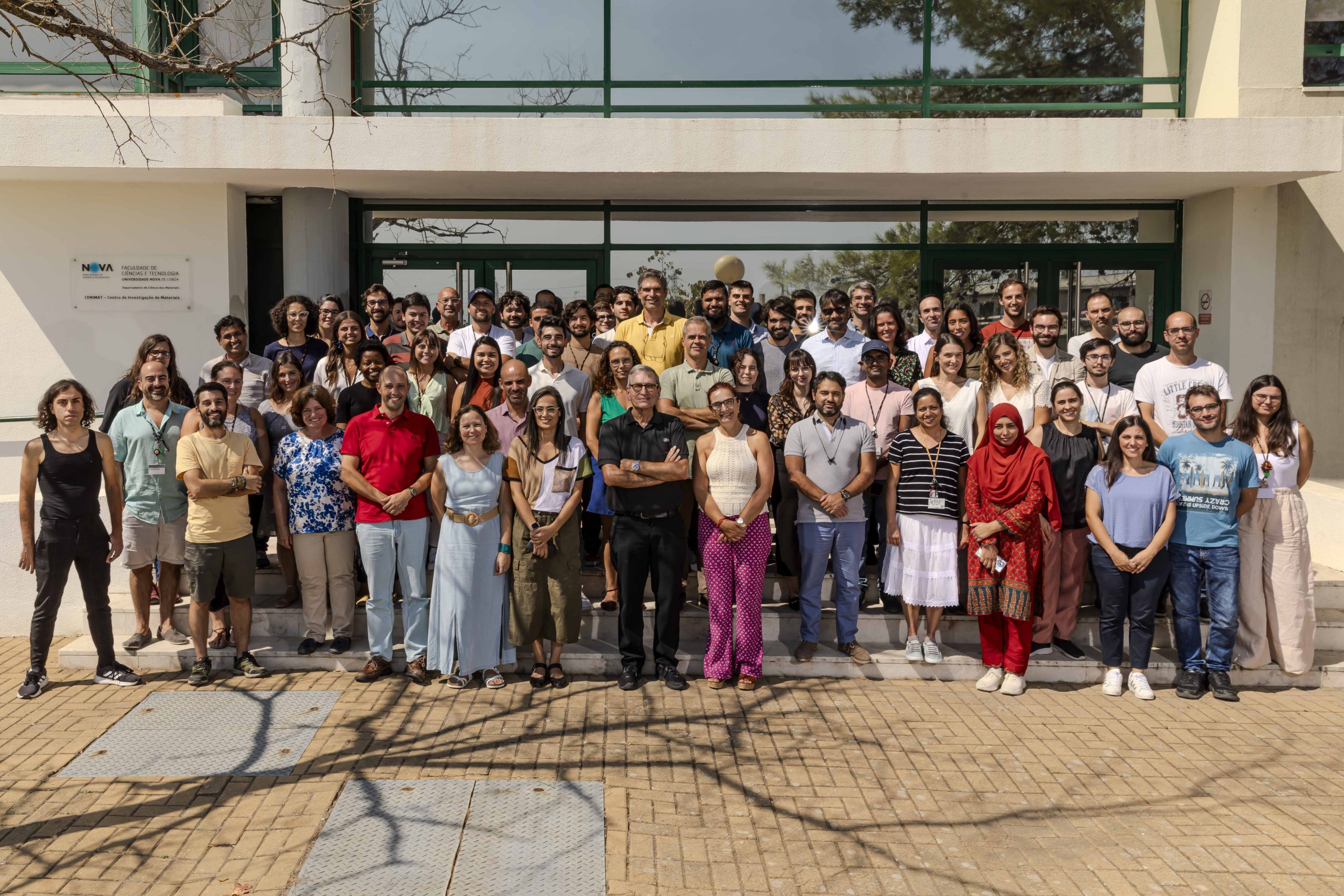
To reach the defined objectives, R&D i3N activities will be developed in a matrix-like structure that will cross horizontal Research Groups with vertical Thematic Lines defined in conjunction between the External Consulting Board and the Institute as strategic at both national and European levels. Each R&D project will be connected to a Thematic Line and resources from one or more Research Group will be pooled together to maximize the performance of the research and the impact of the project. i3N is organized in four Thematic Lines, each one under the coordination of a highly expert researcher and six Research Groups (RG) coming from the 2 Research Units (RU), each one with a leader, with the following structure:
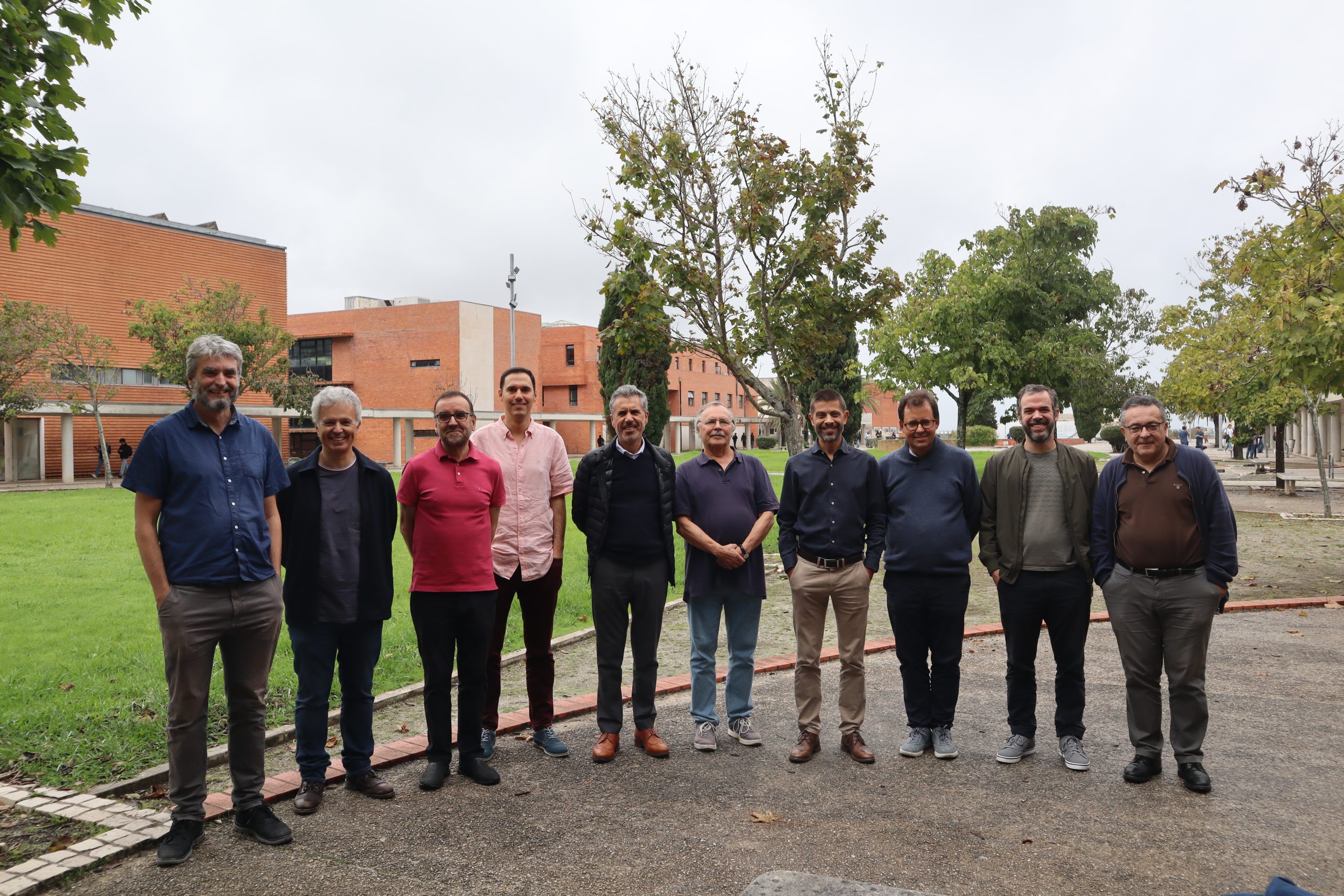
The Theoretical and Computational Physics (TCP) group of the i3N comprises 12 PhD members, two of which are full professors, two associate professors, three lecturers, five researchers, four of which are senior. Four PhD students are currently developing their work in the group areas. The TCP group also includes several master students. The group research aims at understanding and anticipating the physics of materials and devices through modelling and simulation. It also focuses on understanding complex systems with multiple interacting components. In material modelling, the group addresses several topics that contribute to the i3N thematic lines:
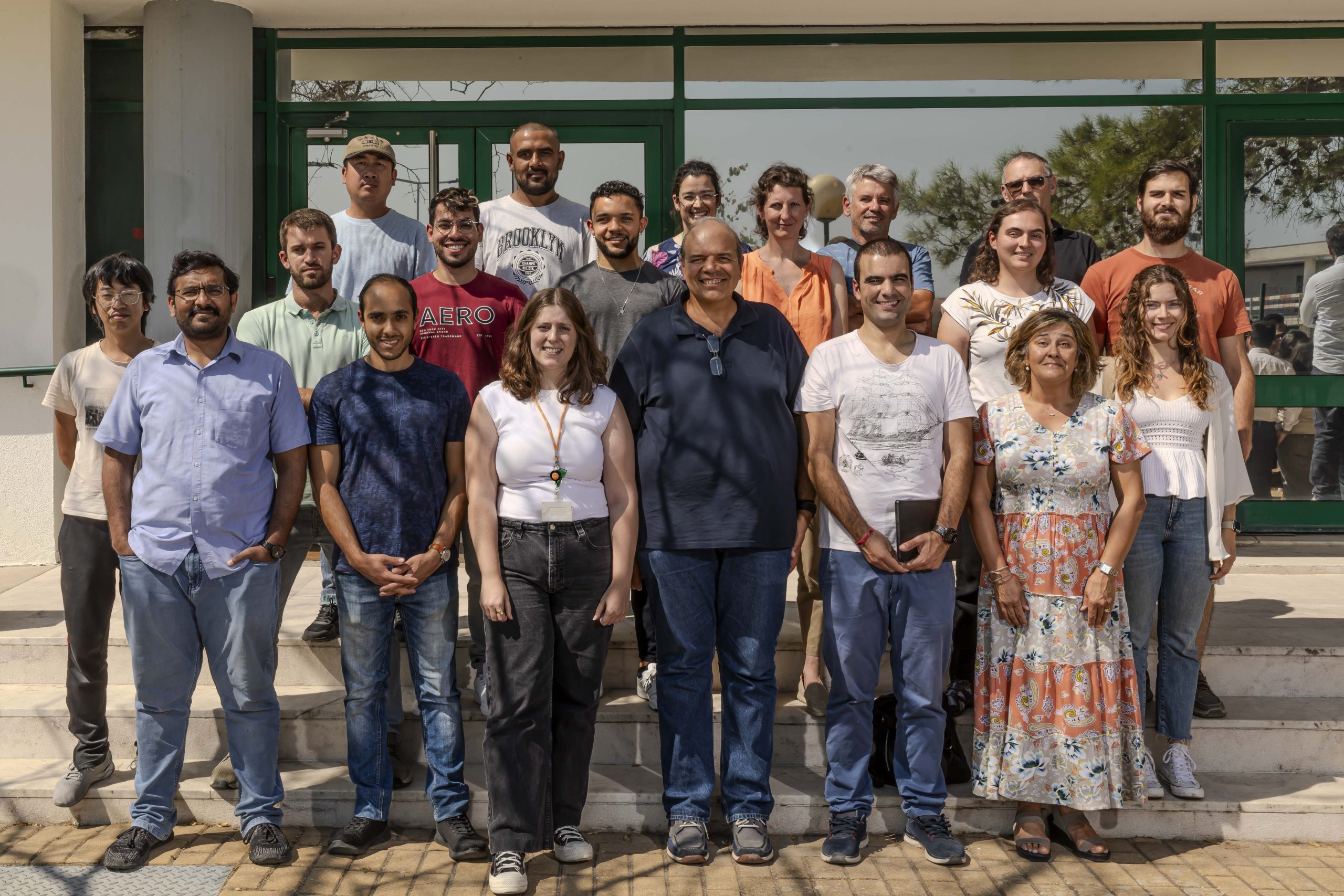
The SMRG operates at the intersection of various disciplines, focusing primarily on welding, AM, and the production of nanostructured materials encompassing metals, ceramics
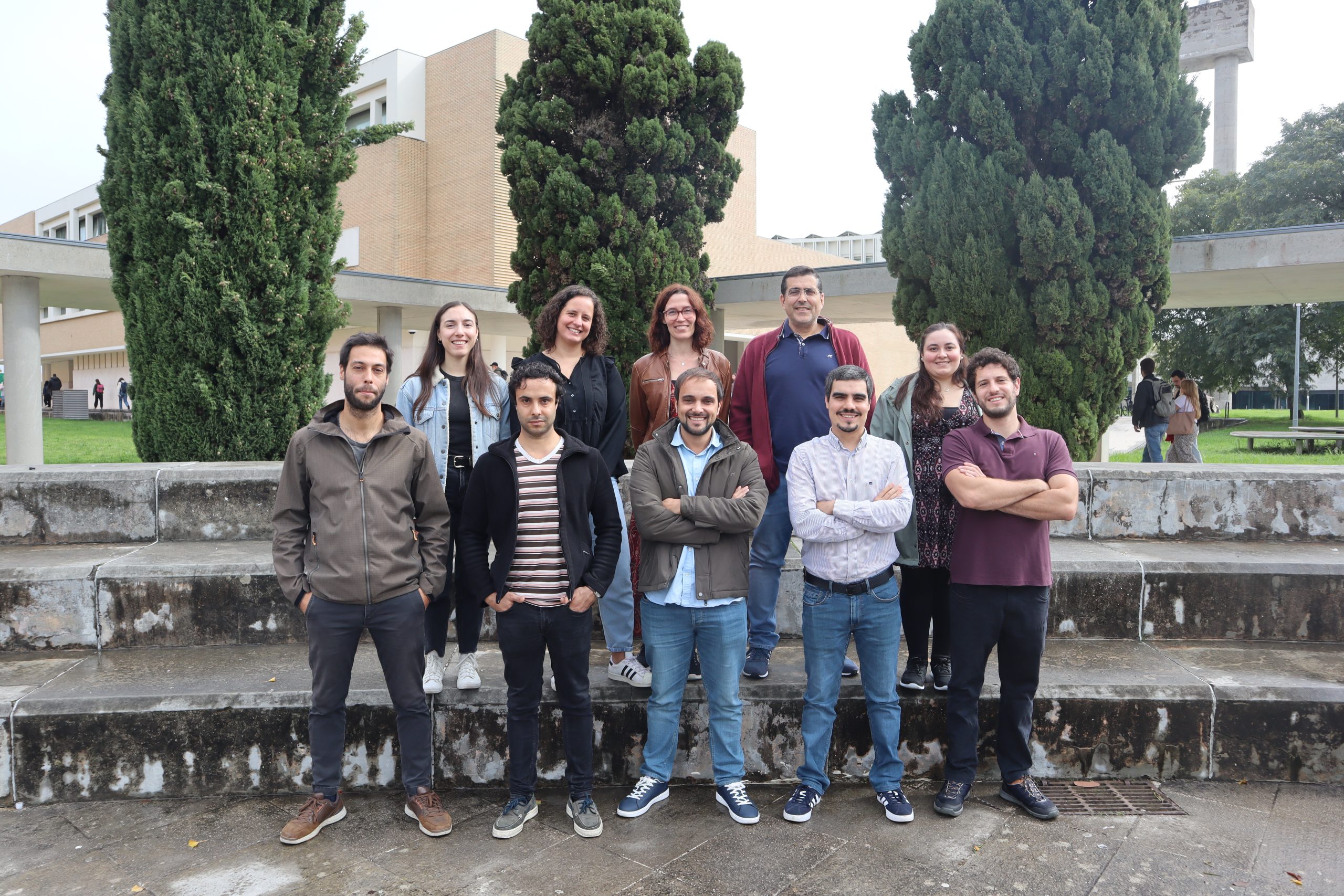
SBMG focuses its activities in the i3N thematic lines, namely on TL1, TL3 and TL4. SBMG research is focused on: Biomimetic cellulose-based materials with stimuli-responsive properties allowing the control and detection of chirality at the micro- and nanoscale (TL3).
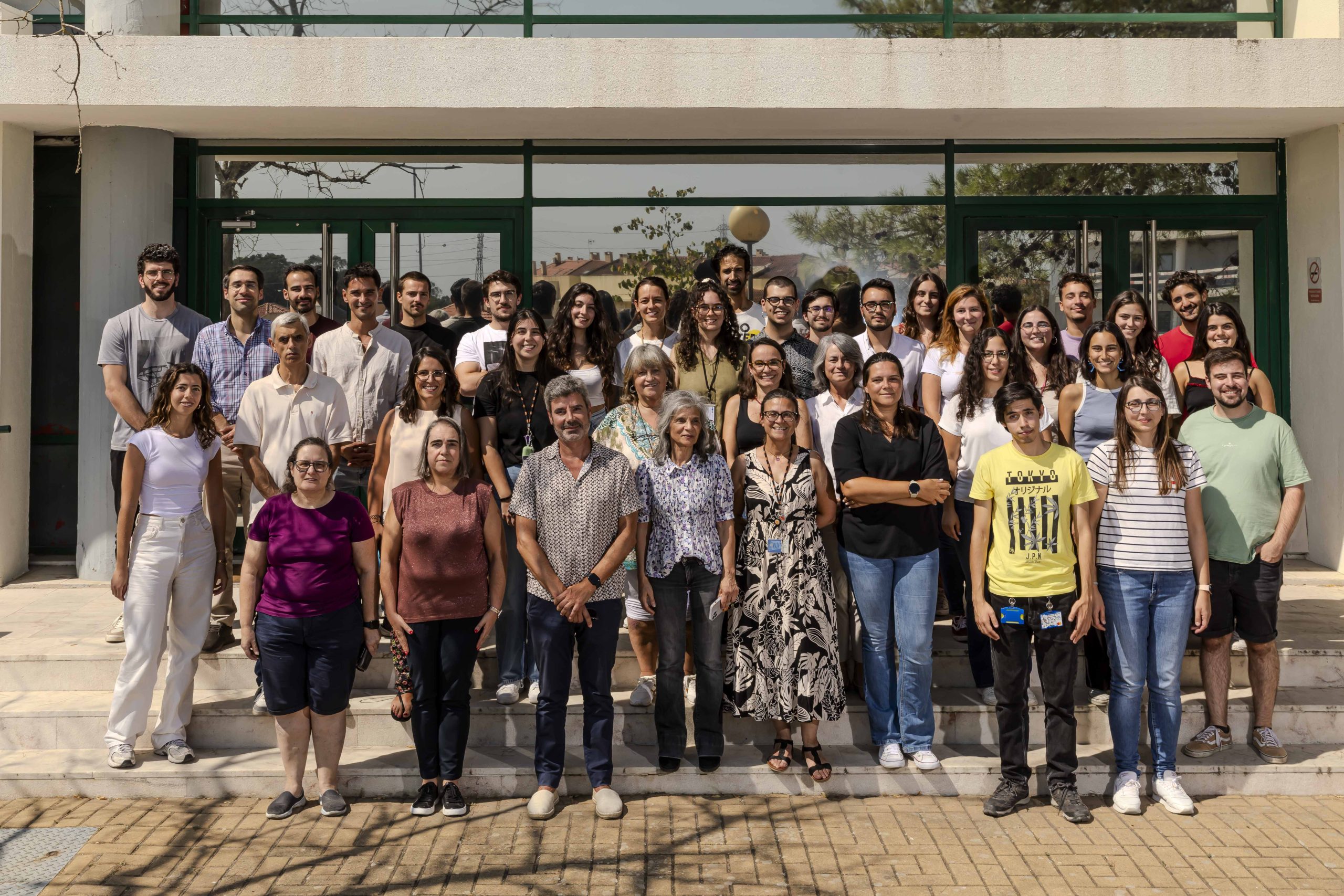
The Physics of Advanced Materials and Devices group synthesises and analyses advanced materials spanning micro to nanostructures. We focus on understanding optical, electrical, and magnetic properties to drive innovation for novel prototype devices. Our goal is to develop customised solutions across electronics, optoelectronics, photonics, energy, and biomedical fields. The work is organised according to the following topics:
The Nanophotonics and Optoelectronics group research spans various fields through innovative approaches and interdisciplinary collaboration, aiming to address pressing challenges and unlock new frontiers in domains which include:
The Advanced Functional Materials for Micro and Nanotechnologies group (AFMMN) was renamed in 2023 to Materials for Electronics, Optoelectronics and Nanotechnologies (MEON) for coherence with the organisation of sections within the Materials Science Department, NOVA FCT. As April 2024
loading more research groups......